

Cloud-based Fixed Asset Register (FAR) which assists with asset accounting life-cycle automation & calculations, as well as GRAP / IPSAS Asset Reporting. It provides compliance with accounting framework's (GRAP / IPSAS) Asset Requirements & Aligned Data to entity's AFS reporting periods.
DynamicFAR = Structuring & Automation of Asset Accounting data in Asset Register
Dynamic FAR e-solution allows for the entities to capture, maintain and process asset information (i.e. general asset identification data and simplified asset accounting flows such as straight line depreciated assets), together with specific functionality to focus on practical Asset Accounting considerations impact FAR asset data, such as:
- Key accounting asset-base data required by the entity's Accounting Policies (Assets linked to Asset hierarchy levels, for management and statutory reporting)
- Technical Accounting Life-Cycle data elements linked to Accounting Reporting Frameworks (IPSAS / GRAP) (e.g. recognition / acquisitions, measurement (deemed costs, useful lives, residual value, etc) and de-recognitions within the Asset Register
- Technical Asset Measurement elements (provides for different asset pathways such as: Assets carried at Cost / Revaluation model; linked outputs impacting the AFS balances at individual reporting periods (annual depreciation, impairment, accumulated depreciation) and aligned depreciation methods per asset class (straight-line, diminishing balance and unit-of-production))
- Multi-period Asset AFS Disclosures. A continuous data line is run per asset life-cycle over multiple periods, allowing for current year asset adjustments to be correctly allocated in the prior period per asset within the Asset Register, but also provides data for AFS disclosures. This allows for reporting snapshots per reporting period based on such data adjustments (be it as prior period adjustments; correction of error; change in estimates) in the correct period, which impact subsequent measurement and other AFS disclosure elements.
- Automated Life-Cycle Reporting & Exception outputs, to provide data for retrospective / prior period adjustments on asset data and impact on values for different reporting periods used in a single set of AFS (current period (Y1), comparative period (Y0) and opening balance values (Y-1), or asset data exceptions (fully depreciated assets still in use / Assets carried as Zero Carry Value, assets nearing full useful life, impaired assets, etc).
- Also integrates with DynamicVerify, for paperless asset verification which syncs asset verification and condition assessment results (for FAR impairment considerations).
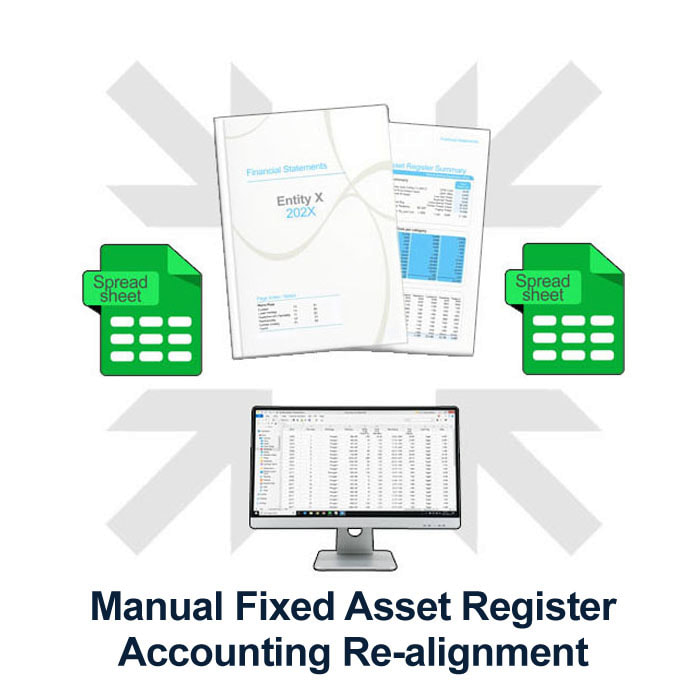
Impact of Asset Register out-of-sync with accounting data?Entities place to much reliance on spreadsheets or fixed ERP systems to manage their asset accounting data, adding unnecessary complexities due to the structural and procedural limitations of disconnected data, which include:
|
|
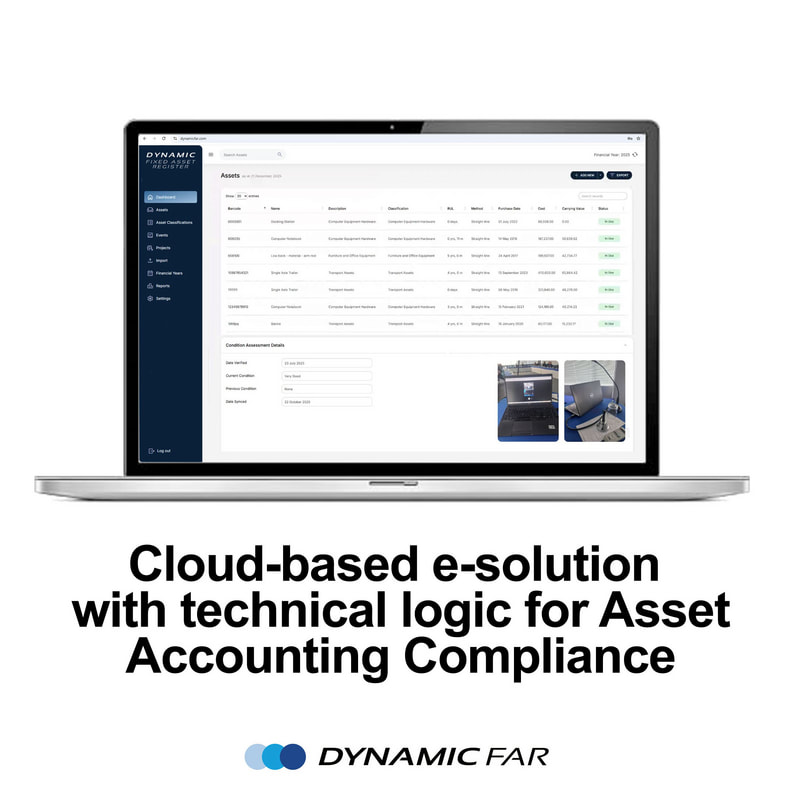
DynamicFAR aligns Asset Register data with IPSAS/GRAP AFS Asset Transactional Event Automation & Reporting
|
The cloud-based DynamicFAR aims to assist entities to bring their asset accounting theory into practise, whereby the bespoke asset register e-solution seeks to address some of these key challenges faced by using spreadsheets / disconnected ERP systems for asset management and compliance reporting (GRAP / IPSAS):
It assists entities to focus on the actual utilisation of their assets (i.e. to seek the flow of future economic benefits or service potential from such assets) rather than trying to manage compliance & accounting data.
Benefits of the DynamicFAR system includes:
|
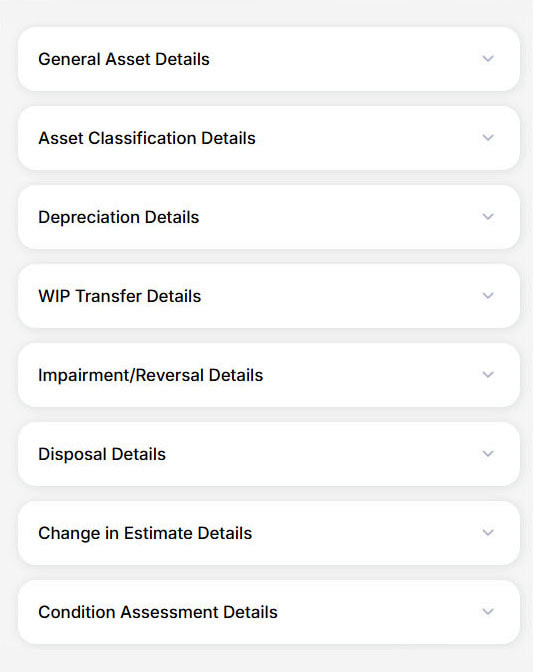
(i) Key Asset Register information sets managed
|
Asset identification data
Accounting Framework (GRAP / IPSAS) data
Asset Performance data(which includes verified asset condition assessment data), impacting:
|
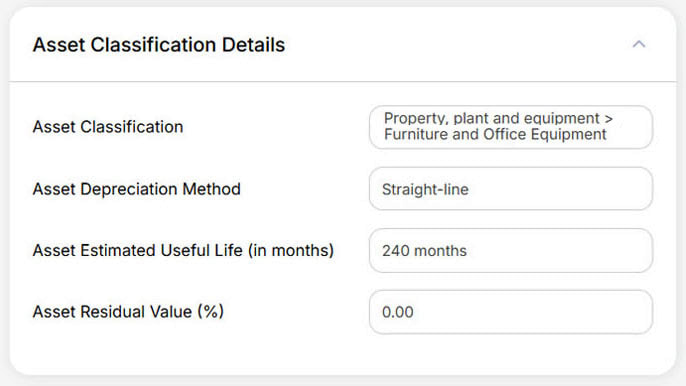
System logic for accounting events impacting initial & subsequent measurement
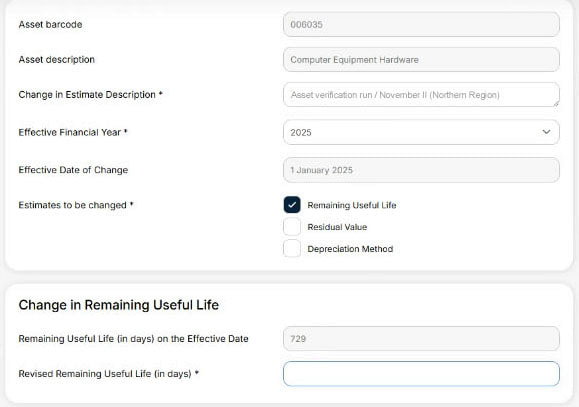
Accounting event: Change in Estimate (Remaining Useful live)
|
DynamicFAR data rules and logic allows for accounting events to be included in the base asset register, and flow-through in the measurement calculations. The inception data for asset classifications flow from the Accounting Policy (depreciation method) and Asset Hierarchy (classes), as well as management judgements (such as EUL , Residual Values, etc).
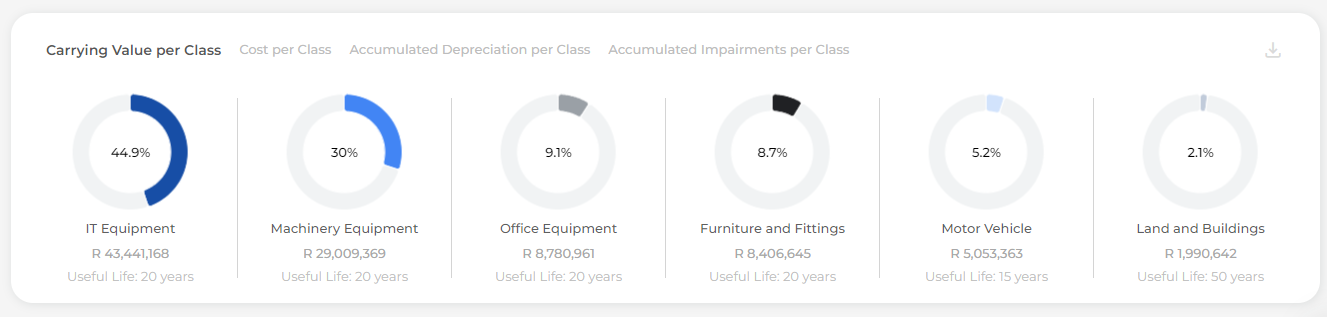
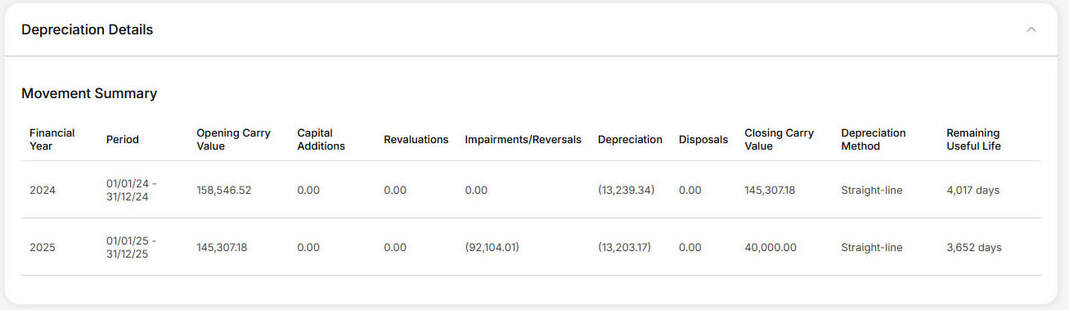
DynamicFAR allows for subsequent events which impact the initial values and transactions, and is included in the system logic. This include for example Impairments, Changes in Useful lifes / Residual values, and other estimates, which then changes the Carry Values during the current / prior periods. These are all managed within the system. Below is an example of an impairment on individual asset level, impacting the measurement & reporting items such as current year depreciation, accumulated depreciation, accumulated impairment, carrying value, etc.
The system also realigns the AFS outputs per the asset changes impacting the measurements. DynamicFAR provides for asset-level alignments, but also provides for summary outputs as required for reporting, where changes impacts are:
|
Line value summaries (e.g. impact of Impairment accounting event on depreciation)
(ii) Live Asset Register view & Reporting
|
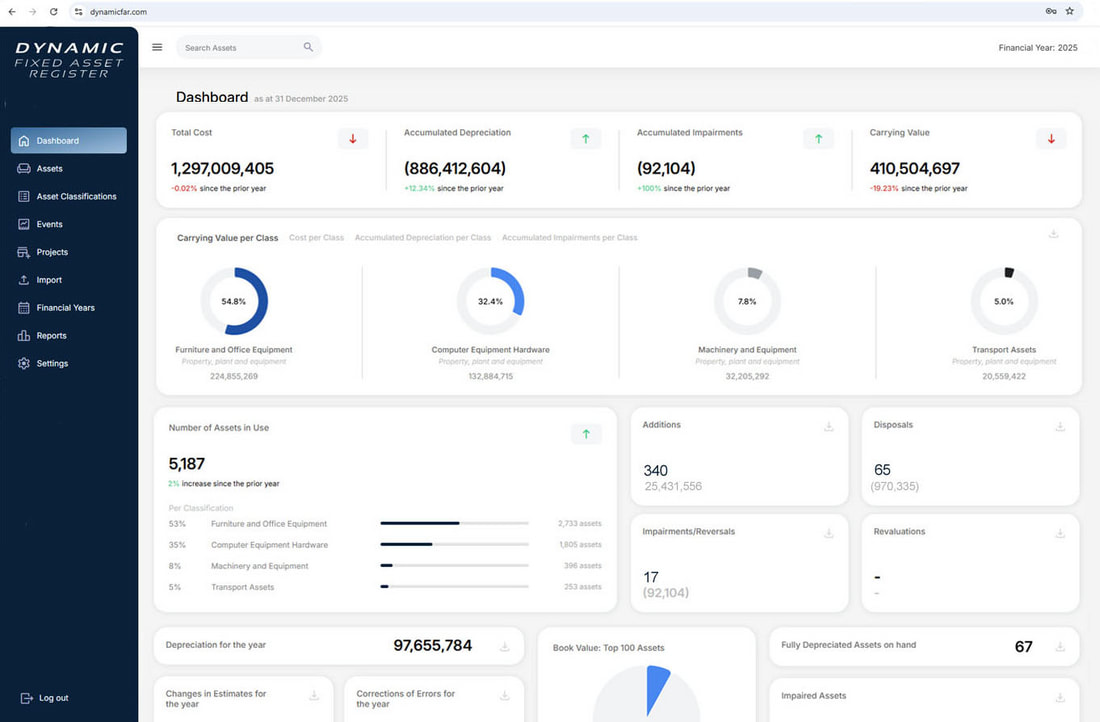
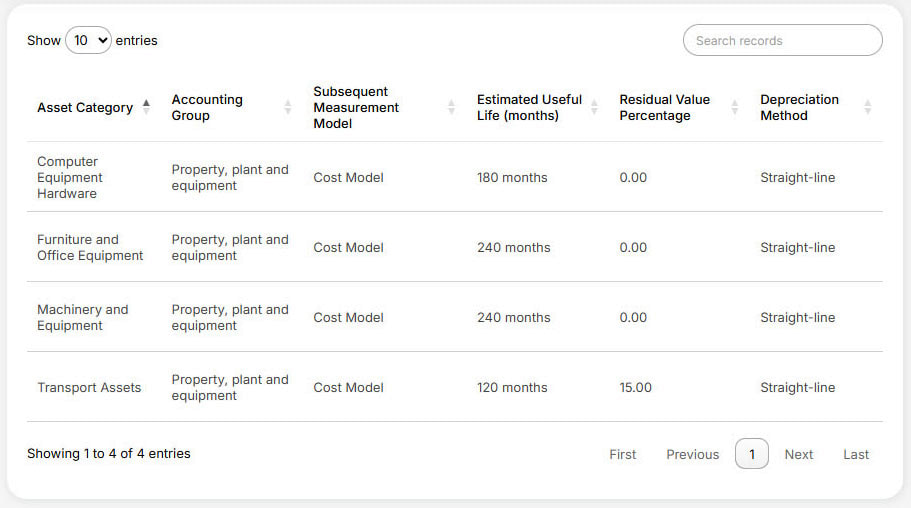
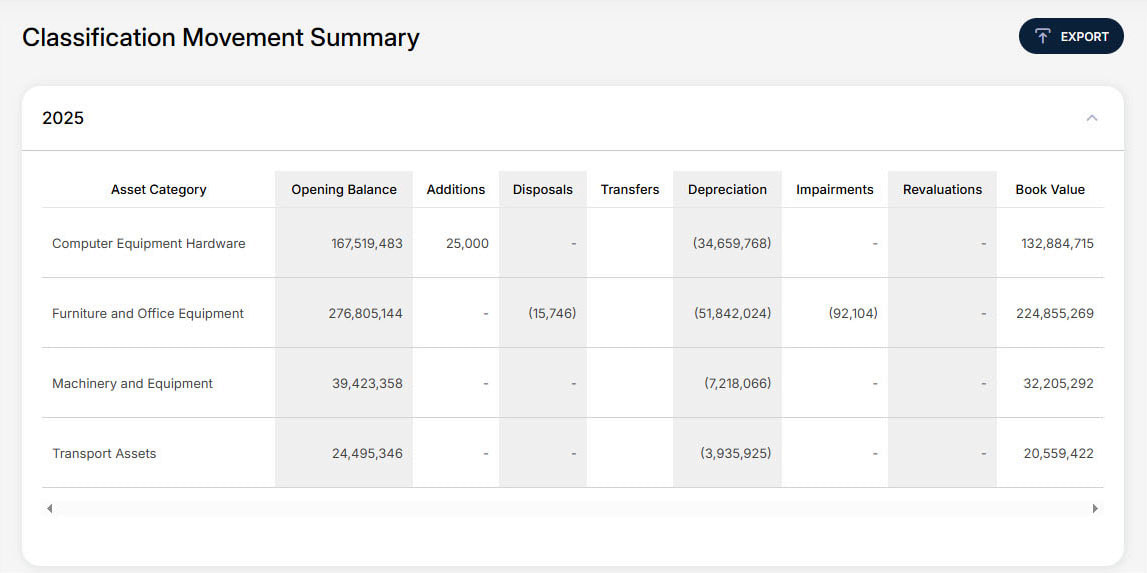
Live view of asset accounting positions & policiesGiven the system make provision for accounting events, DynamicFAR allows for real-time value assessment of the assets, where events managed. Once an asset is set per the allocated accounting policy and hierarchy, the systems can provide the outputs per its application.
Syncs with asset verification resultsDynamicFAR also allows for syncing of condition assessment and asset data from the mobile asset verification system. This allows for interlinking of asset data as the verifications progress.
Work-in-progressDynamicFAR also allows for WIP project data, flowing through initial stages of asset acquisition through to eventual capitalisation of the assets from where depreciation commences.
Allows asset managers to manage asset data sets, asset locations (regions, buildings, room), personnel (asset verification team members & asset custodians) and verification outcomes.
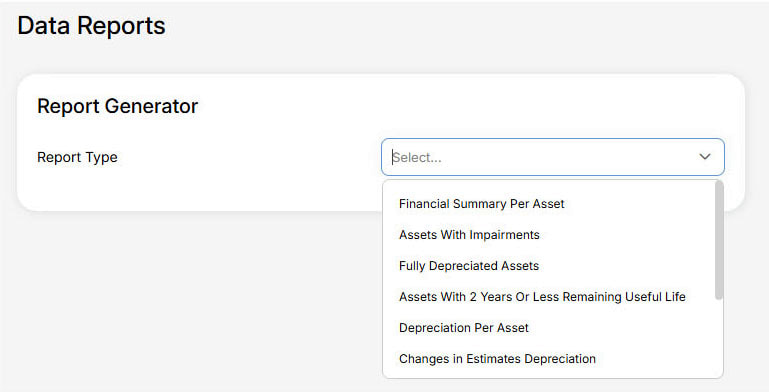
Management & Exception reportsDynamicFAR has extensive management and exception reports available per the asset position and transactions. This include:
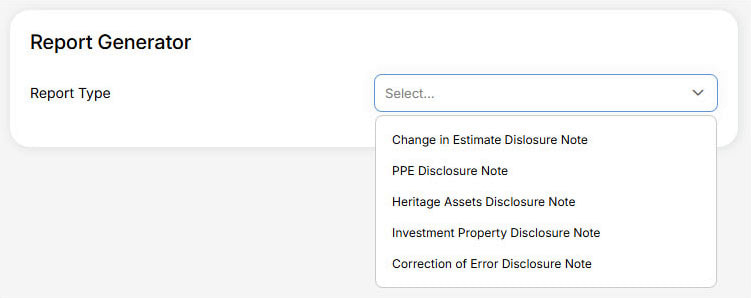
AFS Disclosure Note details automationDynamicFAR also automates the transactional events and data for AFS Disclosures Note reports. This include:
|